Comprehensive care for digestive disorders by Dr. Akeel Alisa

Liver function tests (LFTs) are blood tests that measure different enzymes, proteins, and substances produced by the liver. They are often requested during routine health checks or when investigating symptoms such as fatigue, abdominal pain, or jaundice.
An abnormal liver test result does not always mean you have serious liver disease, but it is a sign that the liver may not be working as well as it should. Sometimes mild changes are temporary and harmless, but in other cases they may indicate an underlying liver condition that requires treatment.
Typical blood markers include:
 Alanine aminotransferase (ALT): High levels may suggest liver inflammation or damage. Aspartate aminotransferase (AST): Another enzyme that rises with liver injury. Alkaline phosphatase (ALP): May indicate bile duct problems or liver disease. Gamma-glutamyl transferase (GGT): Often raised with alcohol-related liver injury or bile duct issues. Bilirubin: High levels can cause jaundice and signal problems with bile flow or liver processing. Albumin and clotting tests: Assess how well the liver is producing essential proteins.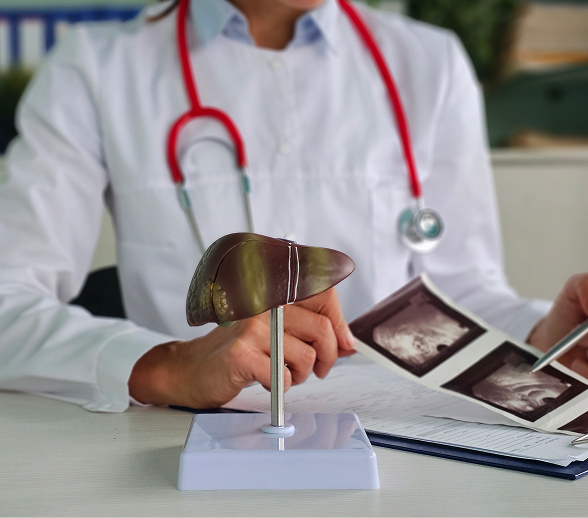
Abnormal results can be caused by a wide range of conditions, including:
Sometimes, lifestyle factors such as obesity, excessive alcohol intake, or recent illness can also temporarily affect test results.
While many people with abnormal liver tests feel completely well, others may notice:
Because liver conditions can develop silently, abnormal blood results often provide the first warning sign.
You should seek medical advice if:
Investigating abnormal liver tests usually involves:
Detailed medical history and lifestyle review Repeat blood tests to confirm persistence and check for viral hepatitis, autoimmune conditions, or metabolic disorders Ultrasound scan to assess the liver’s structure Fibroscan (elastography): A non-invasive test to measure liver scarring or stiffness CT or MRI scans in selected cases Liver biopsy if further clarity is neededTreatment depends on the cause:
Lifestyle changes: Reducing alcohol, losing weight, and improving diet can normalise results in many patients. Medication adjustments: If drugs are contributing, alternatives may be recommended. Specific therapies: Such as antiviral medication for hepatitis or immunosuppressants for autoimmune conditions. Monitoring: Some patients only need regular follow-up to ensure no progression.Abnormal liver tests are common, but interpreting them requires expert knowledge. A hepatologist can:
 5.0 Rating on Doctify
Read testimonials from patients who have experienced Dr Alisa's expert care.

My consultation with Dr Akeel Alisa was highly satisfactory and he was very thorough. The Gastroscopy procedure was performed satisfactorily with no pain or discomfort at all. I am very pleased with treatment received so far.
Verified Patient
I was fully vaccinated investigated by Dr Akeel Alisa and I was reassured. My endoscopy and colonoscopy were straight forward and painless. I am very happy with the care I received.
Verified Patient
Dr Akeel Alisa and Nursing team at Cromwell Hospital Endoscopy team offered me great care and all was perfect. Well pleased.
Verified Patient