Comprehensive care for digestive disorders by Dr. Akeel Alisa

Most people experience occasional heartburn or indigestion after a heavy meal, but when these symptoms occur frequently or interfere with daily life, they may indicate gastro-oesophageal reflux disease (GORD).
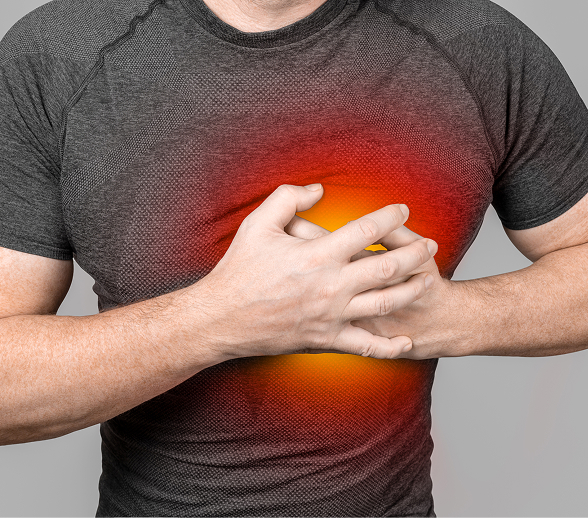
Heartburn happens when stomach acid flows back into the oesophagus (the tube that connects your throat to your stomach). This acid reflux irritates the lining of the oesophagus, causing a burning sensation in the chest, often after eating or when lying down.
Indigestion (dyspepsia) refers to discomfort or pain in the upper abdomen, which may be associated with bloating, nausea, or early satiety. While often harmless, persistent indigestion can sometimes be a sign of an underlying digestive condition.
 Burning sensation in the chest (heartburn) Acidic or bitter taste in the mouth (regurgitation) Bloating and discomfort after meals Difficulty swallowing (dysphagia) Persistent cough, hoarseness, or sore throat Nausea or vomiting Disrupted sleep due to reflux at night
If these symptoms occur more than twice a week, you may have GORD and should seek specialist advice.
Several factors increase the likelihood of developing acid reflux and indigestion:
Common symptoms include:
You should seek specialist care if you experience:
These warning signs may indicate complications or another underlying digestive condition that requires prompt evaluation.
A gastroenterologist can carry out investigations to confirm the cause of your symptoms. These may include:
Endoscopy (gastroscopy): A camera test to examine the oesophagus, stomach, and duodenum.pH monitoring: Measuring acid levels in the oesophagus over 24 hours.Manometry: Assessing oesophageal muscle function.Barium swallow X-ray: Occasionally used to assess swallowing difficulties or hiatus hernia.These tests help identify whether reflux is causing inflammation, ulcers, narrowing of the oesophagus, or precancerous changes such as Barrett’s oesophagus.
Eating smaller, more frequent meals Avoiding trigger foods (spicy, fatty, acidic foods, caffeine, alcohol) Not lying down immediately after eating Losing weight if overweight Raising the head of the bed to reduce night-time reflux Quitting smoking Antacids to neutralise stomach acid H2 blockers to reduce acid production Proton pump inhibitors (PPIs) such as omeprazole, which are highly effective in controlling acid reflux Prokinetic agents to improve motility in selected casesIn cases where medication is not effective, or when complications develop, specialist procedures may be considered:
Endoscopic therapy for Barrett’s oesophagus or strictures Surgery (fundoplication): Strengthening the lower oesophageal sphincter to prevent refluxChronic acid reflux and indigestion can lead to complications, including:
Oesophagitis (inflammation of the oesophagus) Oesophageal strictures (narrowing due to scarring) Barrett’s oesophagus (a precancerous condition) Increased risk of oesophageal cancerEarly diagnosis and treatment are essential to prevent these long-term risks.
While mild heartburn can often be managed with over-the-counter remedies, persistent or severe symptoms require expert evaluation. A gastroenterologist can:
 5.0 Rating on Doctify
Read testimonials from patients who have experienced Dr Alisa's expert care.

My consultation with Dr Akeel Alisa was highly satisfactory and he was very thorough. The Gastroscopy procedure was performed satisfactorily with no pain or discomfort at all. I am very pleased with treatment received so far.
Verified Patient
I was fully vaccinated investigated by Dr Akeel Alisa and I was reassured. My endoscopy and colonoscopy were straight forward and painless. I am very happy with the care I received.
Verified Patient
Dr Akeel Alisa and Nursing team at Cromwell Hospital Endoscopy team offered me great care and all was perfect. Well pleased.
Verified Patient