Comprehensive care for digestive disorders by Dr. Akeel Alisa

Inflammatory Bowel Disease (IBD) is a term used to describe two long-term conditions that cause chronic inflammation of the digestive tract:
 Ulcerative Colitis (UC): Affects the lining of the large intestine (colon) and rectum. Crohn’s Disease: Can affect any part of the digestive tract, from the mouth to the anus, and often involves deeper layers of the bowel wall.
Both conditions are lifelong and typically alternate between periods of remission (few or no symptoms) and flare-ups (active inflammation and distressing symptoms).
IBD is not the same as Irritable Bowel Syndrome (IBS). While IBS is a functional condition, IBD is an inflammatory disease that can cause long-term damage to the gut if not managed properly.
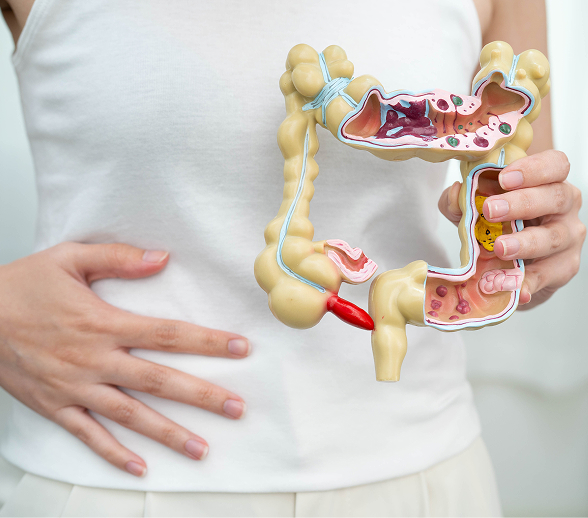
IBD symptoms vary depending on the severity and location of inflammation, but common signs include:
Some patients also experience symptoms outside the gut, such as joint pain, skin rashes, mouth ulcers, or eye inflammation.
The exact cause of IBD remains unclear, but factors thought to contribute include:
You should consult a gastroenterologist if you experience:
Early diagnosis is vital, as untreated IBD can lead to long-term complications.
A gastroenterologist may recommend a combination of tests to diagnose IBD and distinguish between Crohn’s disease and ulcerative colitis:
Blood tests: To detect anaemia and inflammation markers. Stool tests: To rule out infection and check for inflammation (faecal calprotectin). Colonoscopy: A camera test to view the bowel lining, take biopsies, and confirm inflammation. MRI or CT scans: To assess the extent of disease, especially in Crohn’s disease. Capsule endoscopy: Sometimes used to examine the small intestine.While there is no cure for IBD, treatments aim to control inflammation, manage symptoms, and prevent complications. Options include:
Aminosalicylates (5-ASAs): Reduce inflammation in ulcerative colitis. Corticosteroids: Used short-term to control flare-ups. Immunomodulators: Help regulate the immune system. Biologic therapies: Target specific parts of the immune response and are highly effective in moderate-to-severe disease. Tailored nutritional advice to prevent deficiencies. Avoiding foods that trigger flare-ups. Stress management, exercise, and sleep optimisation.In some cases, surgery may be required to remove damaged sections of bowel, treat strictures, or manage complications. Surgery can be curative in ulcerative colitis (removal of the colon) but not in Crohn’s disease, where inflammation may recur in other areas.
If not managed properly, IBD can lead to:
Severe anaemia and malnutrition Strictures (narrowing of the bowel) Fistulas and abscesses (in Crohn’s disease) Toxic megacolon (a rare but life-threatening complication) Increased risk of bowel cancer over timeIBD is complex and requires expert, ongoing management. A gastroenterologist can:
Although IBD is a lifelong condition, many patients lead full and active lives with the right treatment and support. Regular monitoring, lifestyle adjustments, and access to modern therapies mean flare-ups can be controlled and long-term complications minimised.
 5.0 Rating on Doctify
Read testimonials from patients who have experienced Dr Alisa's expert care.

My consultation with Dr Akeel Alisa was highly satisfactory and he was very thorough. The Gastroscopy procedure was performed satisfactorily with no pain or discomfort at all. I am very pleased with treatment received so far.
Verified Patient
I was fully vaccinated investigated by Dr Akeel Alisa and I was reassured. My endoscopy and colonoscopy were straight forward and painless. I am very happy with the care I received.
Verified Patient
Dr Akeel Alisa and Nursing team at Cromwell Hospital Endoscopy team offered me great care and all was perfect. Well pleased.
Verified Patient