Comprehensive care for digestive disorders by Dr. Akeel Alisa

Hepatitis means inflammation of the liver. When caused by a viral infection, it is referred to as viral hepatitis. Several different viruses can lead to hepatitis, the most common being Hepatitis A, B, C, D, and E. Each virus affects the liver differently, and while some infections clear on their own, others can become chronic and lead to long-term complications such as cirrhosis, liver failure, or liver cancer.
Viral hepatitis is a global health concern but, with modern treatments and preventive strategies, most cases can be effectively managed and many can be cured.
 Hepatitis A (HAV): Usually spread through contaminated food or water. It causes an acute, short-term illness and does not lead to chronic disease. A vaccine is available. Hepatitis B (HBV): Transmitted through blood and body fluids (sexual contact, sharing needles, or from mother to child at birth). It can be acute or chronic. A vaccine provides lifelong protection. Hepatitis C (HCV): Spread mainly through blood-to-blood contact, often via needles or medical exposure. It is a leading cause of chronic liver disease but is now curable with modern antiviral treatments. Hepatitis D (HDV): Only occurs in people who are already infected with hepatitis B. It can cause more severe disease. Hepatitis E (HEV): Usually spread through contaminated water or undercooked pork. In most people it is short-term, but it can be serious in pregnant women or people with weakened immune systems.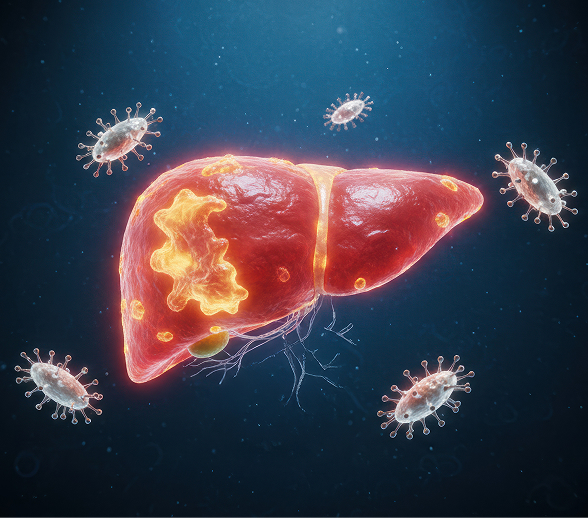
Viral hepatitis often causes few or no symptoms in the early stages. When symptoms do occur, they may include:
Because chronic hepatitis B and C can remain silent for years, regular screening is important in at-risk individuals.
You should seek medical advice if you:
A gastroenterologist or hepatologist can confirm viral hepatitis using:
Blood tests to detect hepatitis virus markers and measure viral load Liver function tests to assess inflammation or damage Fibroscan (elastography): To measure liver scarring or stiffness Ultrasound or MRI scans to look for complications Liver biopsy in selected casesTreatment depends on the type of virus:
Hepatitis A & E: Usually short-term; supportive care is given until recovery. Hepatitis B: May require antiviral tablets to suppress the virus and reduce the risk of complications. Regular monitoring is essential. Hepatitis C: Modern antiviral tablets (DAAs) can cure over 95% of cases within 8–12 weeks. Hepatitis D: More difficult to treat, but newer therapies and clinical trials are available.Vaccines are available for Hepatitis A and B, and can prevent infection.
Chronic hepatitis B or C can lead to:
Early diagnosis and treatment significantly reduce these risks.
Specialist care ensures:
 5.0 Rating on Doctify
Read testimonials from patients who have experienced Dr Alisa's expert care.

My consultation with Dr Akeel Alisa was highly satisfactory and he was very thorough. The Gastroscopy procedure was performed satisfactorily with no pain or discomfort at all. I am very pleased with treatment received so far.
Verified Patient
I was fully vaccinated investigated by Dr Akeel Alisa and I was reassured. My endoscopy and colonoscopy were straight forward and painless. I am very happy with the care I received.
Verified Patient
Dr Akeel Alisa and Nursing team at Cromwell Hospital Endoscopy team offered me great care and all was perfect. Well pleased.
Verified Patient