Comprehensive care for digestive disorders by Dr. Akeel Alisa

A flexible sigmoidoscopy is a procedure that allows a gastroenterologist to examine the rectum and the lower part of the colon (sigmoid colon) using a thin, flexible tube with a camera and light at its tip. It provides clear, real-time images of the bowel lining, helping diagnose the cause of symptoms and detect polyps or other abnormalities.
It is similar to a colonoscopy, but shorter, focusing only on the lower section of the bowel. It is often used for patients experiencing rectal bleeding, changes in bowel habits, or unexplained abdominal discomfort.
 Targeted diagnosis – Ideal for identifying causes of bleeding, diarrhoea, or constipation affecting the lower bowel. Early detection of bowel cancer – Many cancers begin in the rectum or sigmoid colon, and sigmoidoscopy can identify these early. Polyp detection and removal – Precancerous growths can be safely removed during the same procedure. Less preparation required – Compared to a full colonoscopy, preparation is simpler and often better tolerated. Screening tool – Used as part of bowel cancer screening programmes in certain age groups.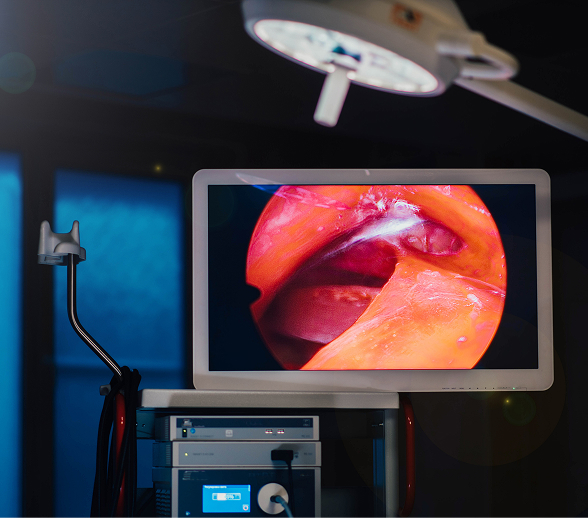
You may be referred for this procedure if you have:
Preparation is simpler than for colonoscopy:
Performed in an outpatient setting.A thin flexible tube (sigmoidoscope) is gently inserted into the rectum. The lower colon is examined in detail, and biopsies or polyp removal may be carried out. The procedure usually lasts 10–20 minutes, and most patients do not require sedation.Flexible sigmoidoscopy is a very safe procedure. Rare risks include:
Minor bleeding after biopsy or polyp removal Very rare perforation of the bowel wallWith an experienced consultant gastroenterologist, patients benefit from:
 5.0 Rating on Doctify
Read testimonials from patients who have experienced Dr Alisa's expert care.

My consultation with Dr Akeel Alisa was highly satisfactory and he was very thorough. The Gastroscopy procedure was performed satisfactorily with no pain or discomfort at all. I am very pleased with treatment received so far.
Verified Patient
I was fully vaccinated investigated by Dr Akeel Alisa and I was reassured. My endoscopy and colonoscopy were straight forward and painless. I am very happy with the care I received.
Verified Patient
Dr Akeel Alisa and Nursing team at Cromwell Hospital Endoscopy team offered me great care and all was perfect. Well pleased.
Verified Patient